


This photographic dialogue is about two contemporary long term projects of natural being — Mark Darragh’s substantive coastal topographies primarily of Victoria and Tasmania and Gary Sauer-Thompson’s littoral zone in South Australia. Natural being exists, moves, changes, and evolves according to its own processes and dynamics.
Though these two projects about the natural being of the coast are from quite different perspectives — eg., ecological science and pre-modern Japanese aesthetics — they are similar in their large format photographic approach. What is also common to both projects is that their understanding of natural being is informed by substantive bodies of knowledge outside of the timeworn photographic culture.
The presentation of this photographic conversation on Light Paths is premised on the site/non-site distinction with the site being the open-ended series of images and the non-site being the background text and commentary. The conceptual basis of the non-site opens up the conversation to other discourses or adjacent cultural worlds than art history’s period styles.
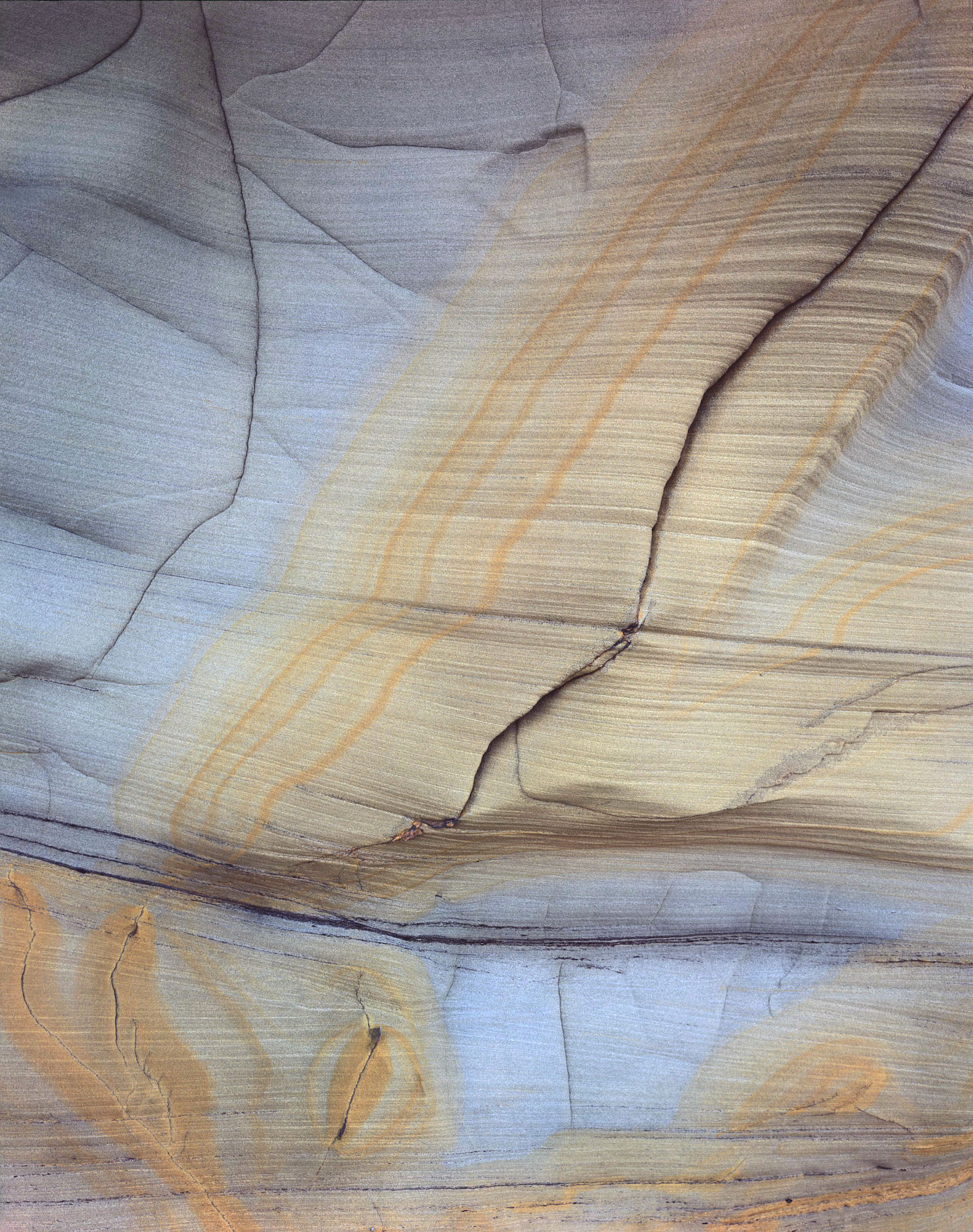
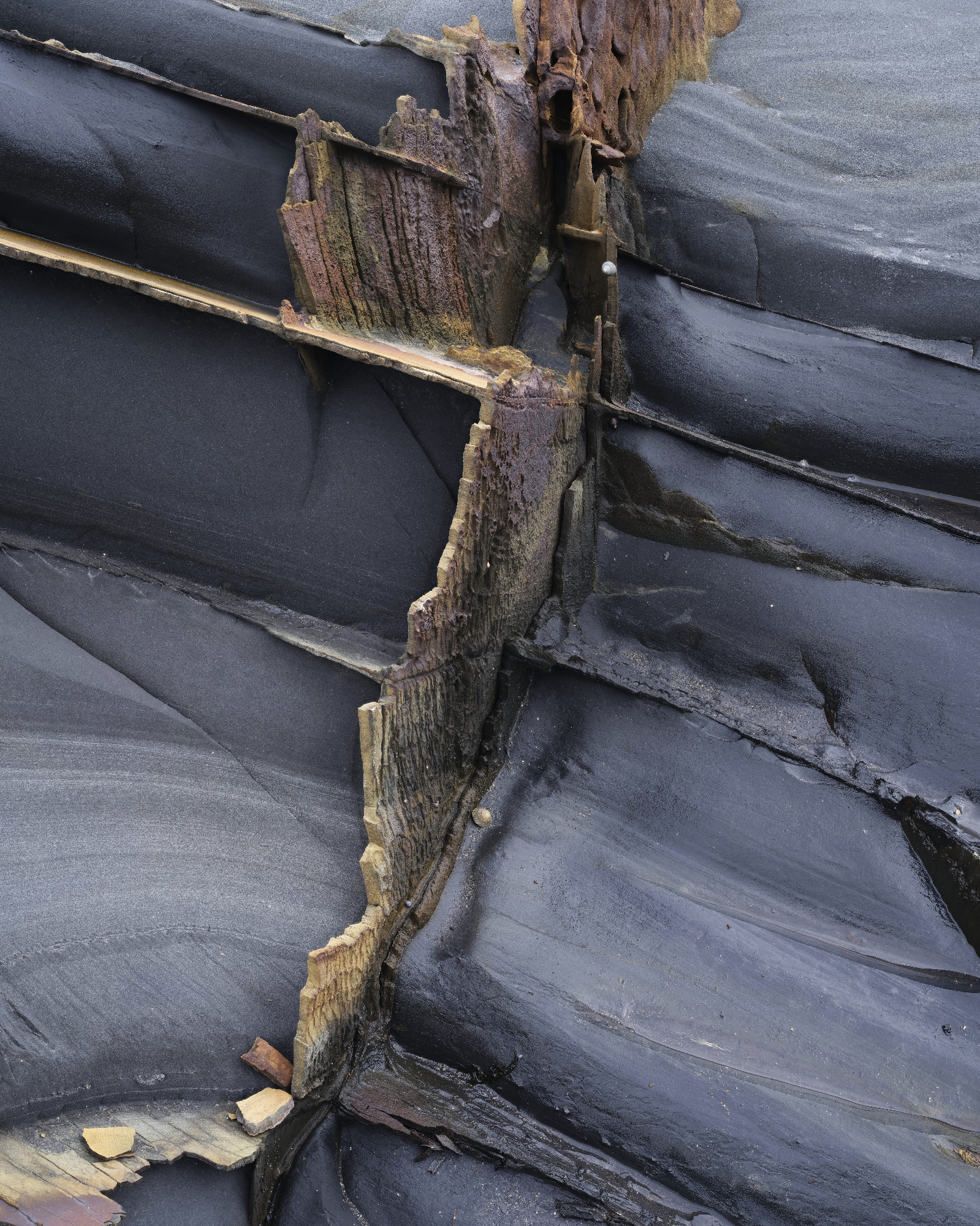
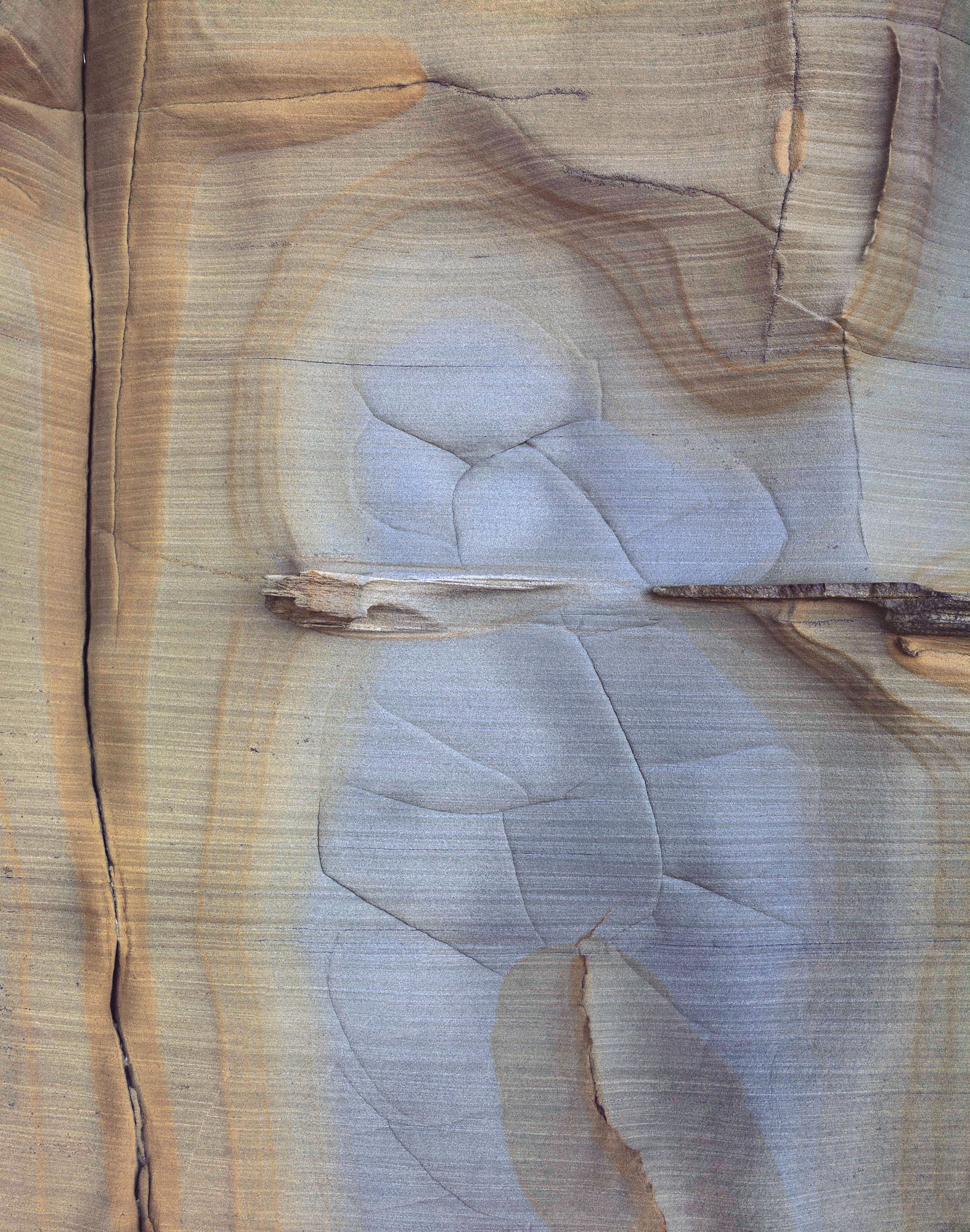
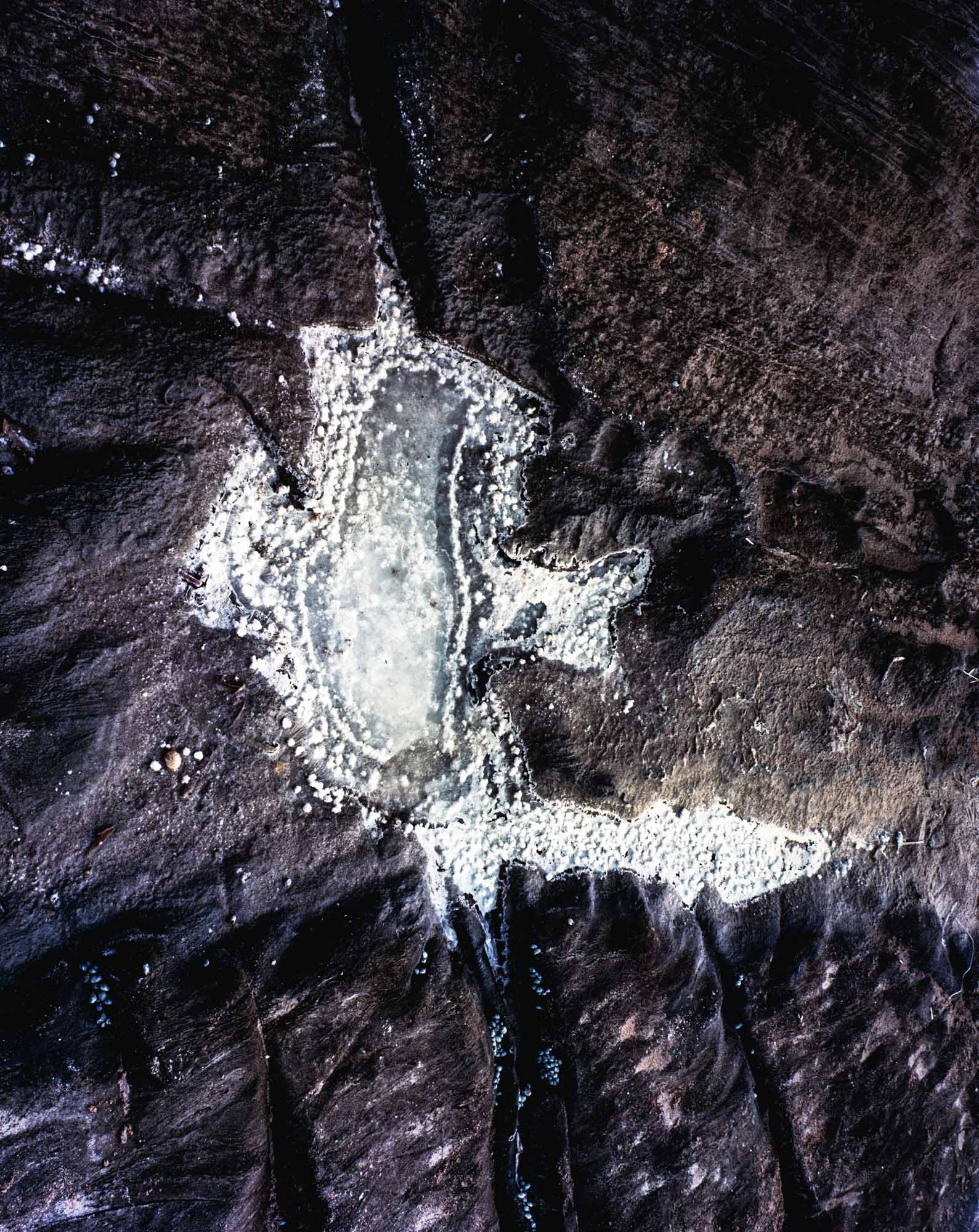
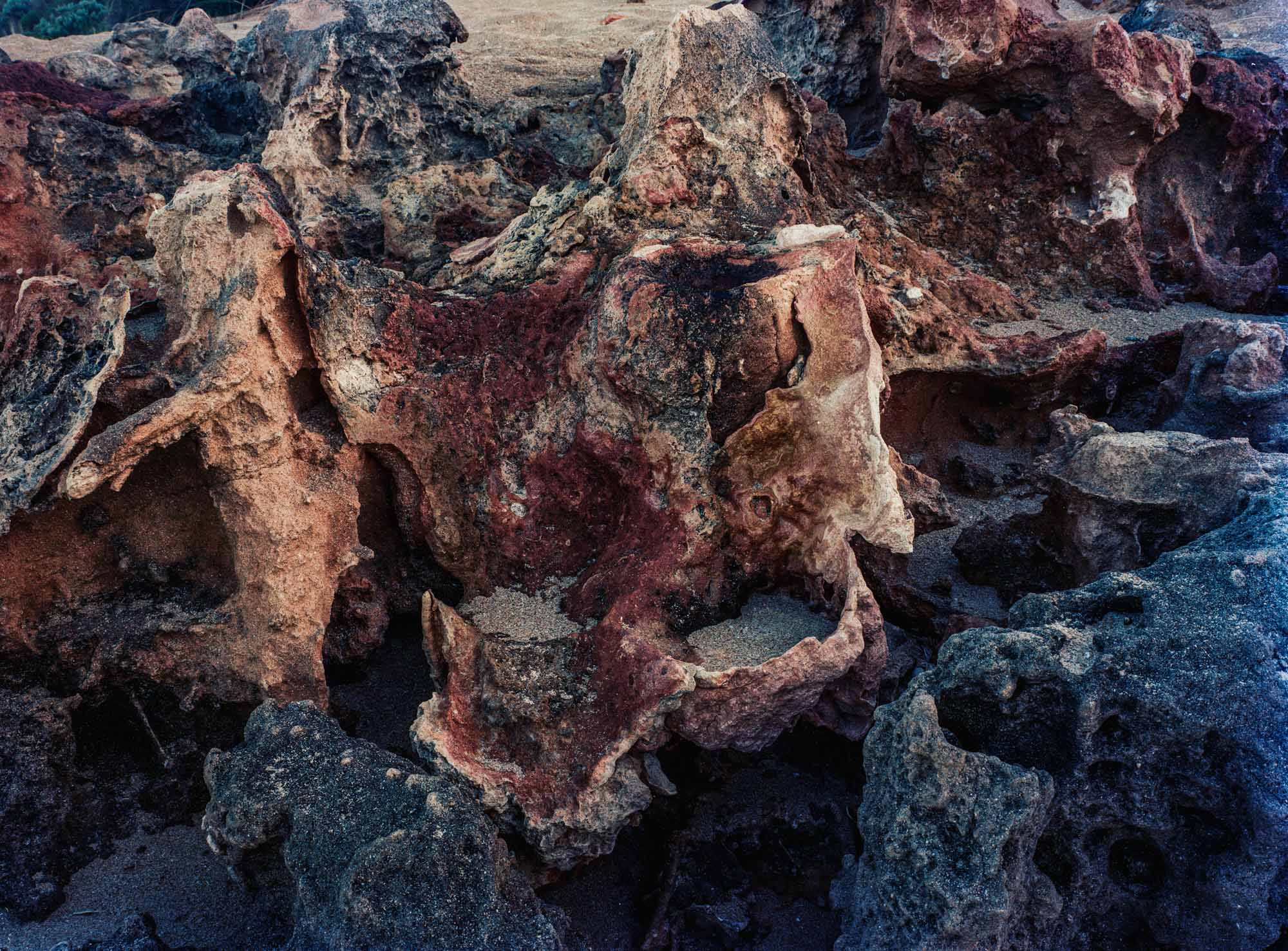
Mark Darragh’s Coastal Topographies is an ongoing series of photographs informed by ecological science that focuses on microhabitats and topographies along shorelines and the intertidal zone. At first glance, these images can be unassuming, but when one takes the time to look more deeply, they reveal much about the complexity and intricacy of the natural world. In this respect a reference point is the American photographer and educator, Minor White, who describes such images as ” “extractions” or “isolations” from the world of appearances, often literal.”
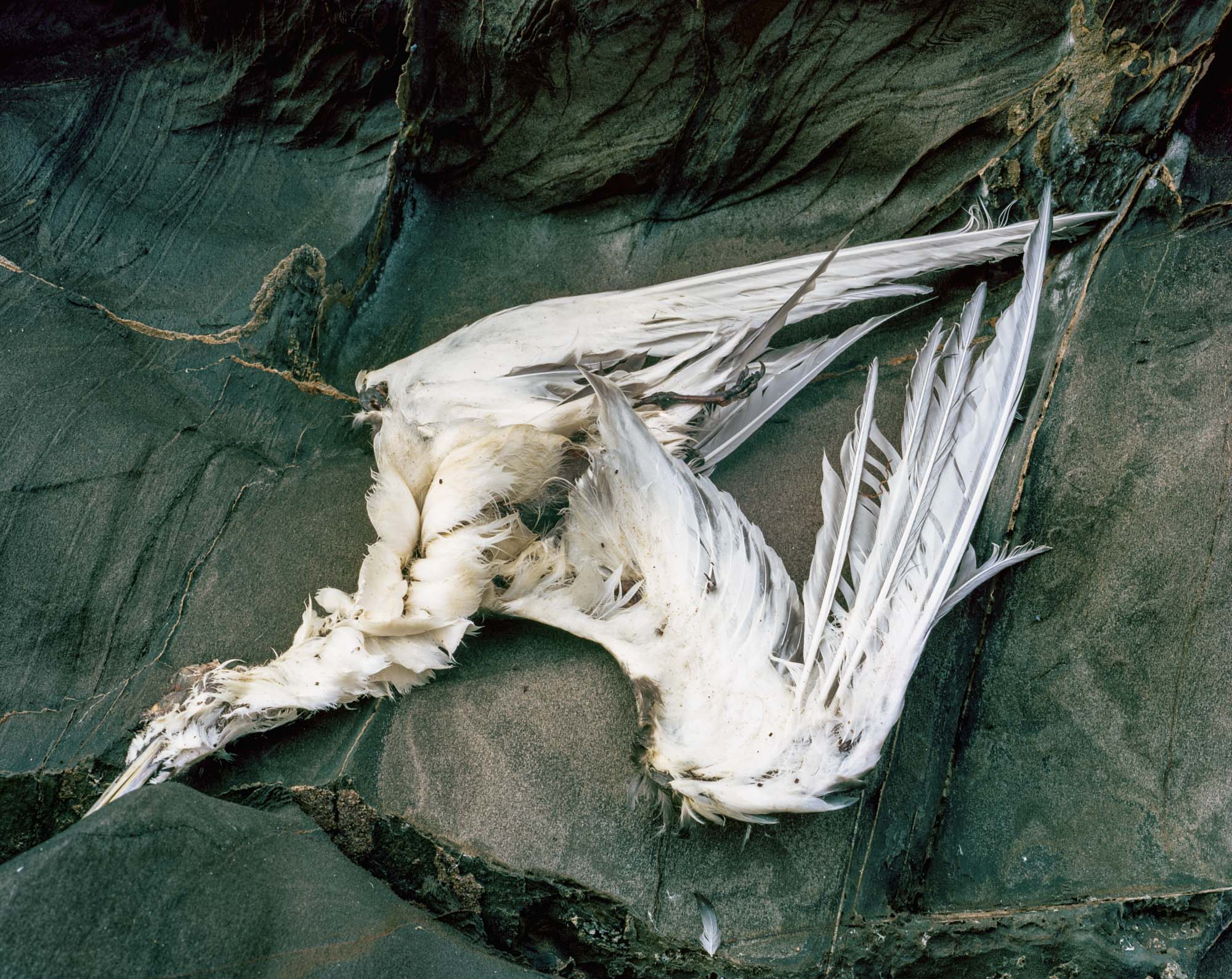
Gary Sauer-Thompson’s littoral zone project is based on coastal poodlewalks and is focused on the ephemeral and the flux of natural being, and it is informed by pre-modern Japanese aesthetics. The Japanese word for ephemeral is hakanai [「儚い ] for fleeting, transient or short lived. The Japanese aesthetic concept for this moment is Mono no aware (物の哀れ), literally ‘the pathos of things’. It refers to the passage of time, to impermanence or the changing nature or the flux of things, as in the cherry blossom, the sound of wind or crickets, the colour of snow, that incorporates a sadness at their passing.