


Light Paths base is in South Australia and the online exhibition of historical photographers of South Australia below form a cultural background to the contemporary present. These exhibitions are a work-in-progress. They supplement the colonial photography exhibition on The Long Road To the North that were made prior to the Flinders paintings of Hans Heysen and the images of his photographic friends (eg., Frederick Joyner) in the 1920s.
This was at a time when painting was understood to be an aesthetic art by virtue of its manual craft skills whilst photography was an anti-aesthetic art by virtue of its mediation by the mechanics of the optical apparatus. This widespread understanding is based on technological determinism.
Exhibition 1


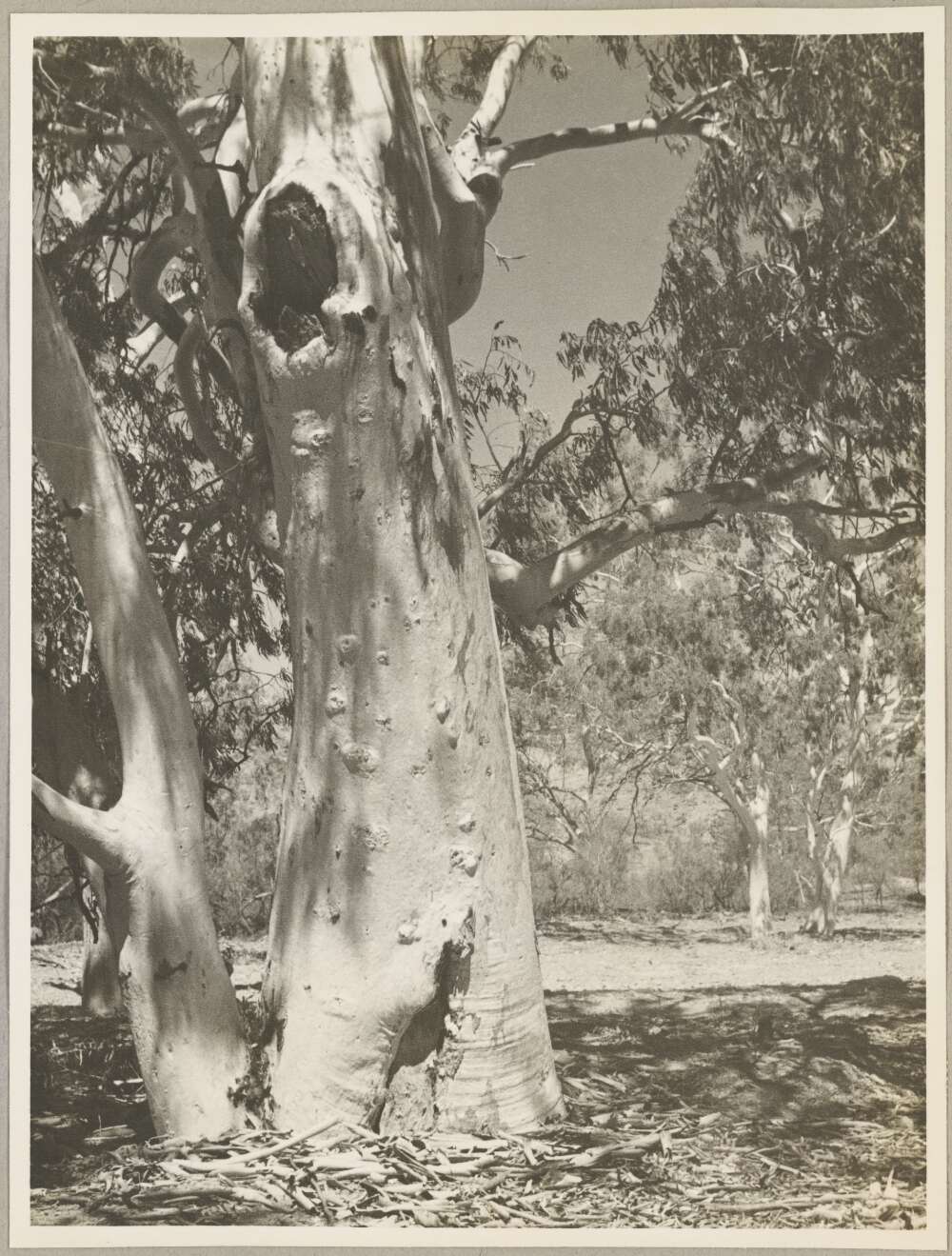

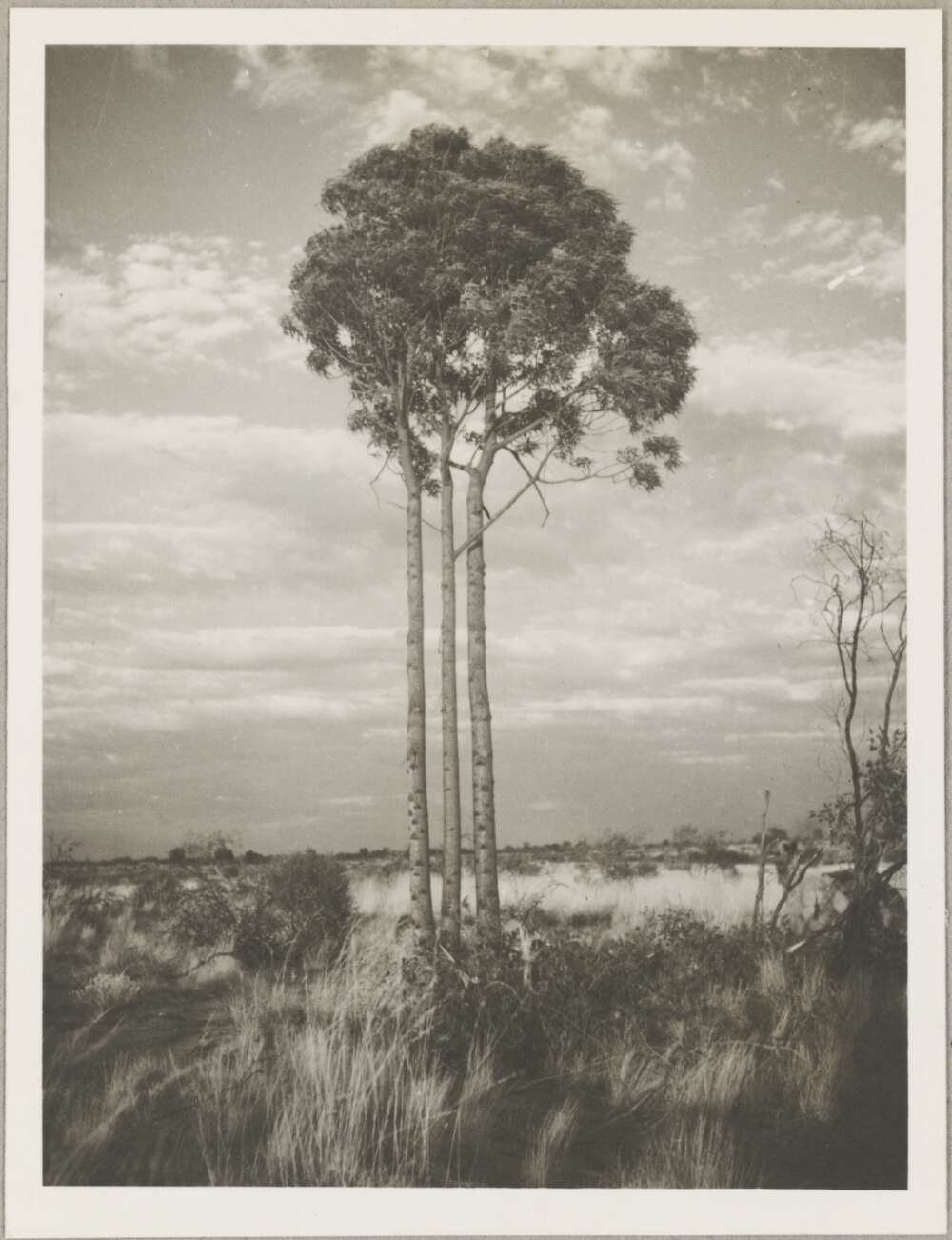
The six photos in exhibition 1 are those by Charles Percy Mountford and they were made between 1935 and 1940 in Central Australia.
The first line of 3 photos were made by C.P. Mountford when he was secretary of a board of inquiry to investigate allegations of ill-treatment of Aborigines in the Northern Territory, at Hermannsburg and Ayers Rock in 1935. Later that year he joined Tindale, C. J. Hackett, a physical anthropologist, and E. O. Stocker, a cine-photographer, on an expedition (under the auspices of the University of Adelaide’s Board for Anthropological Research) to the Warburton Range, Western Australia.
The second line of 3 photos were made by C.P. Mountford whilst on a 4 month camel expedition in 1940 under the auspises of the Board of Anthropology of the University of Adelaide, from Ernabella to Ayers Rock. The purpose of the trip was collect information about Aboriginal art and legends, to carry out scientific research, to study and record the lifestyles and customs of the Aboriginal people of the western desert of Central Australia and to examine the art of the Pitjantjatjara and Yankuntjatjara.
Mountford used Ernabella Mission Station as his base for his outward trips to the north and west to the Musgrave and Mann Ranges, then later to Mount Connor (Atila), Ayers Rock (Uluru) and Mount Olga (Kata Tjuta). Mountfort travelled with Lauri E. Sheard, Bessie Mountford and the cameleer Tommy Dodd. The trip formed the basis for Mountford’s book and film Brown Men and Red Sand
In 1942 Mountford led another University of Adelaide expedition to Central Australia, which included the areas of Jay Creek, Haasts Bluff and Hermannsburg Mission.
Exhibition 2
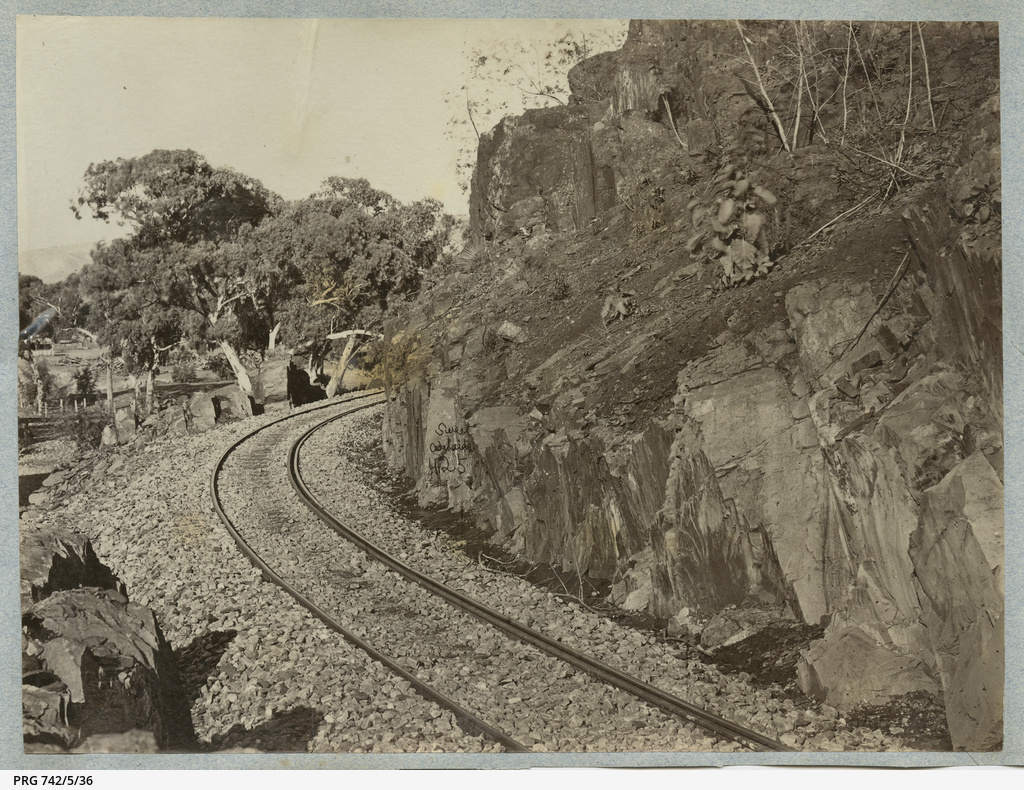
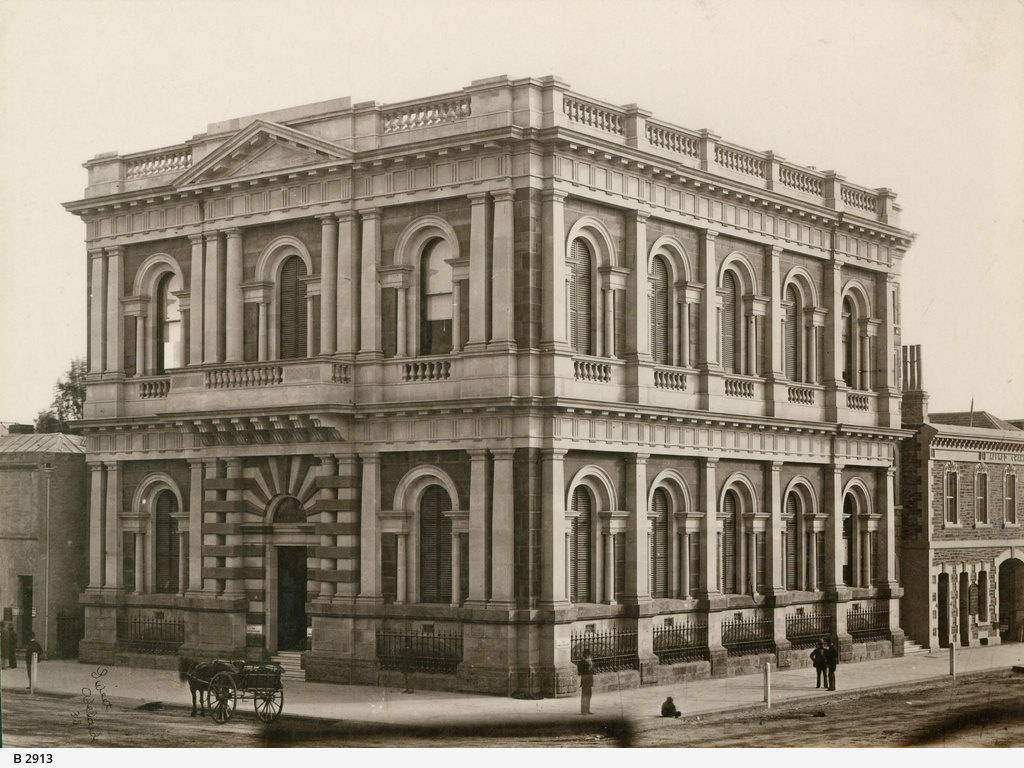
Photographer
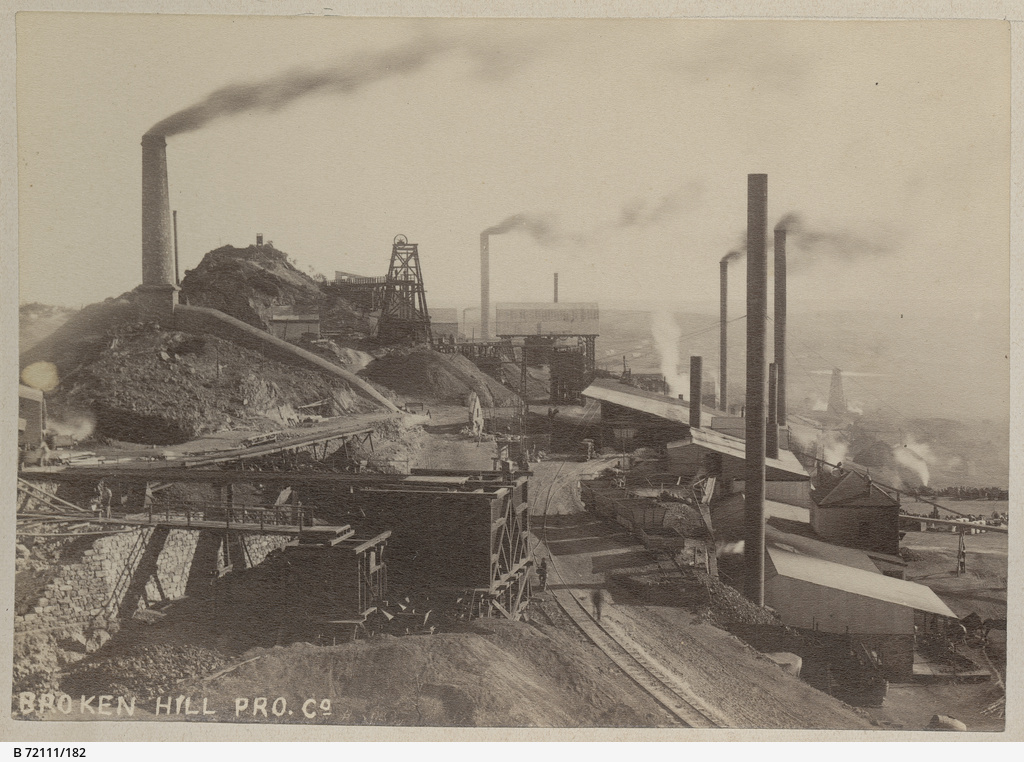
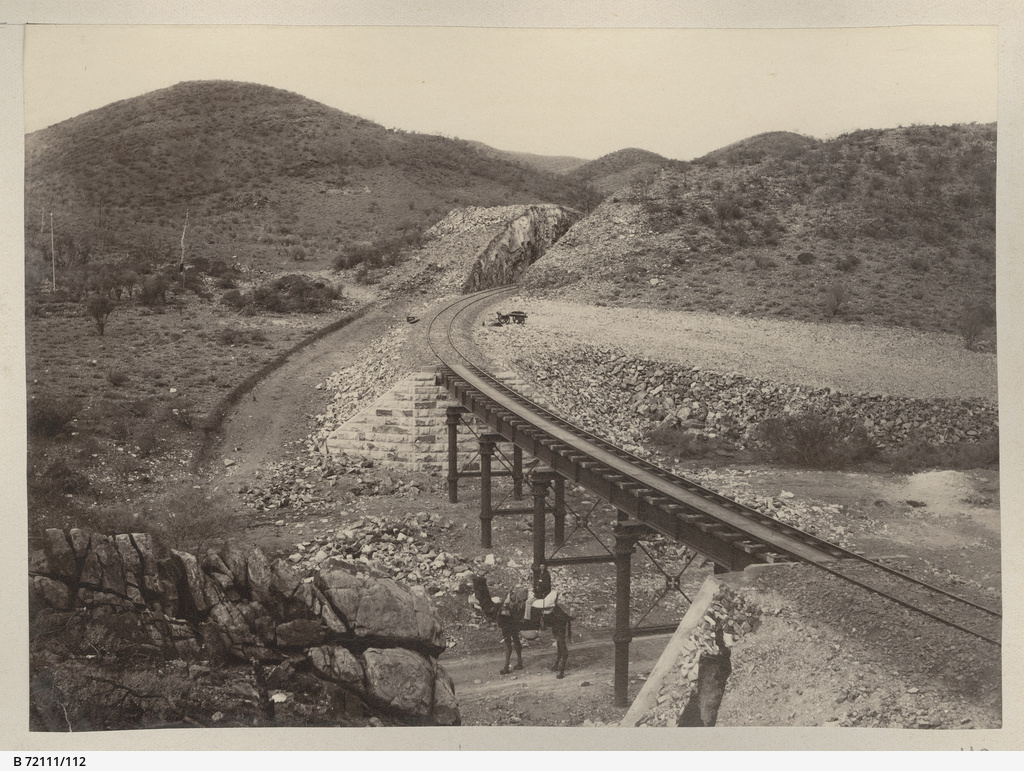
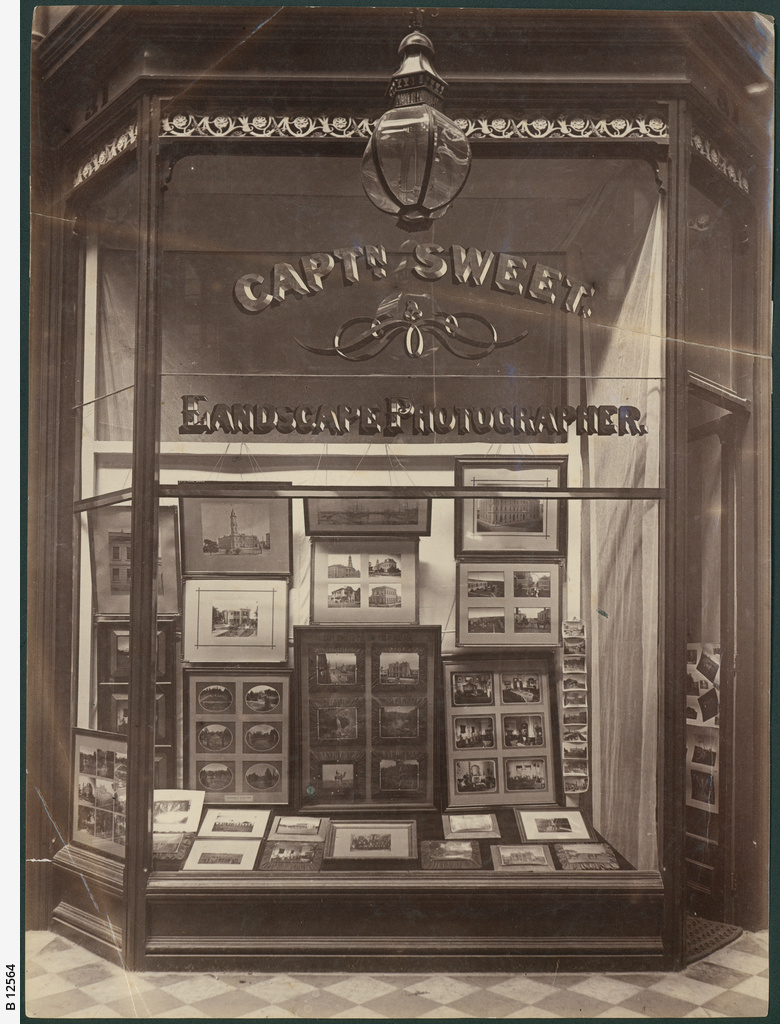
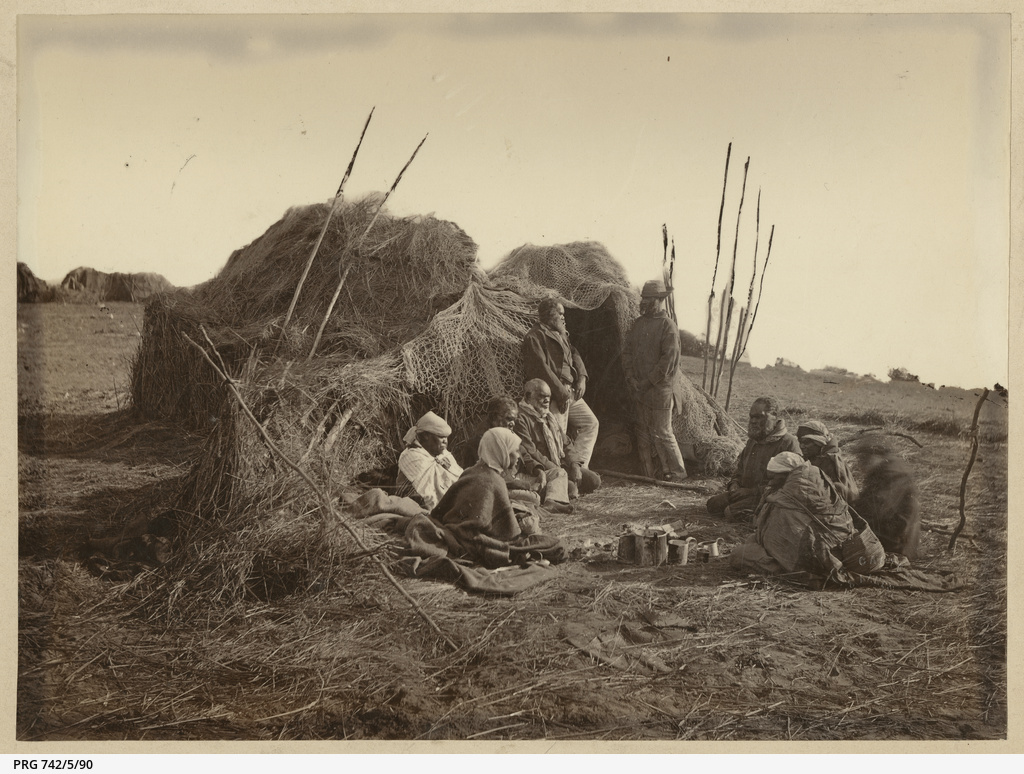
The six photos in exhibition 2 are those by Captain Samuel Sweet and they were made between 1870’s-80’s primarily in South Australia.
Captain Sweet is seen as the colony’s foremost documentary photographer of the 1870s and the early 1880s. However Karen Magee in her 2014 PhD — Captain Sweet’s Colonial Imagination: The Ideals of Modernity in South Australian Views Photography 1866-1886 — argued that Sweet did not photograph colonial South Australia, but rather the ideal that was being sought in its creation. Sweet’s photographs mapped an ideal of modernity, rather than reality,
After the demise of modernism maybe we need to relook at these earlier unfashionable landscape images of the parched inland of Australia (deserts and tough country) in settler and early twentieth-century Australia, which have been hitherto condemned as the soapy, regional ‘gumtree school’. Ian Burns National Life and Landscapes: Australian Painting, 1900-1940 (1990) would be an entry point.