


The core of Danto’s interpretation of the contemporary art world is that this is an era of plurality in which all the artistic options are valid, art is no longer subject to a single style, and there are no artistic hierarchies of any kind. This opens up a way to reevaluate the art of the past and allows us to establish bridges of understanding with the new art, thereby open up a clearing to shift to, and engage in, photographic conversations.
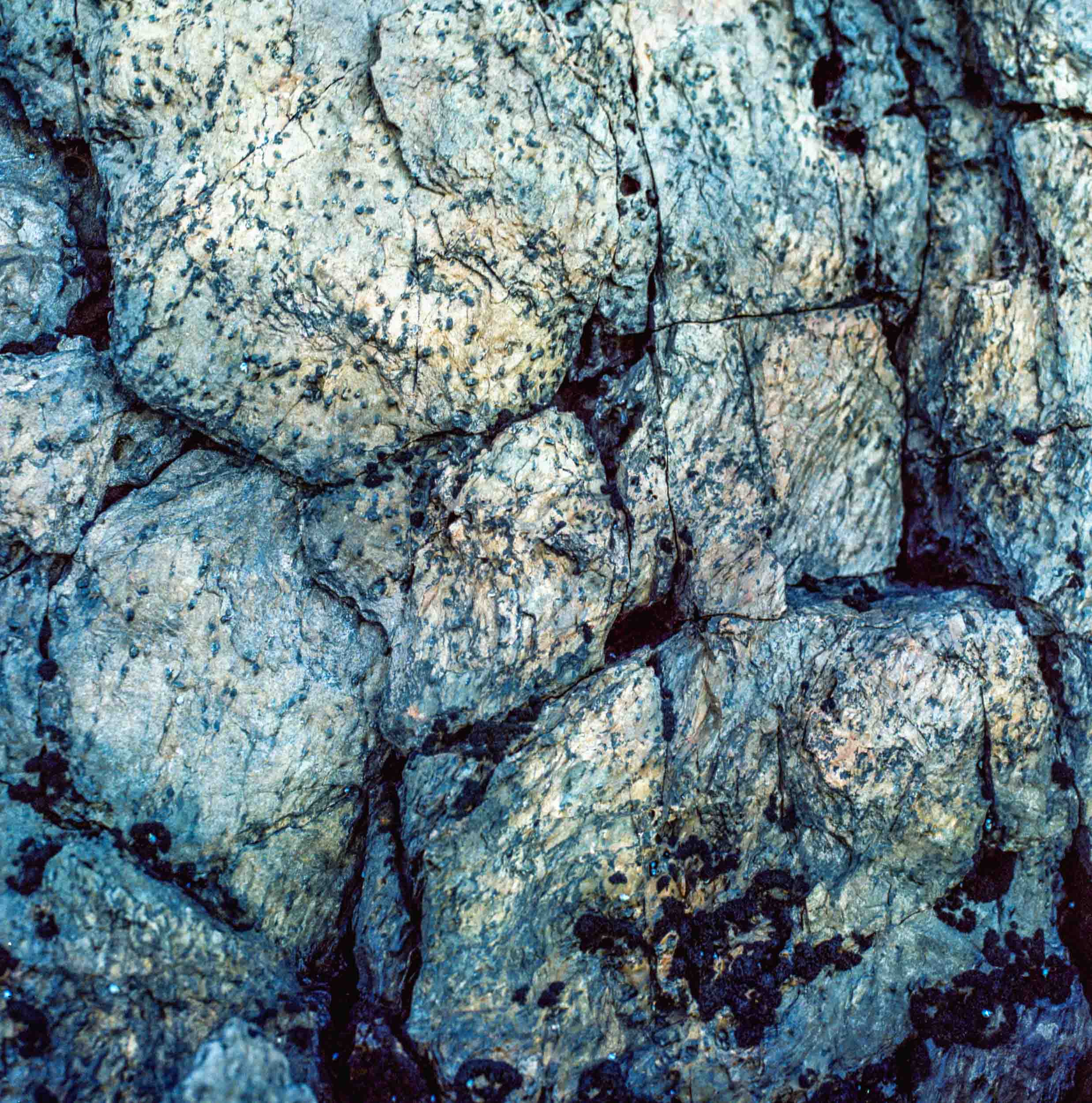
Such conversations are a dialogue about similar ways of photographing, subject matter or conceptual underpinnings shaped by the horizon and cultural background of the photographic tradition. An example of this similarity would be how my approach to photographing in the Littoral Zone relates to Mark Darragh’s approach in his Coastal Topographics series.
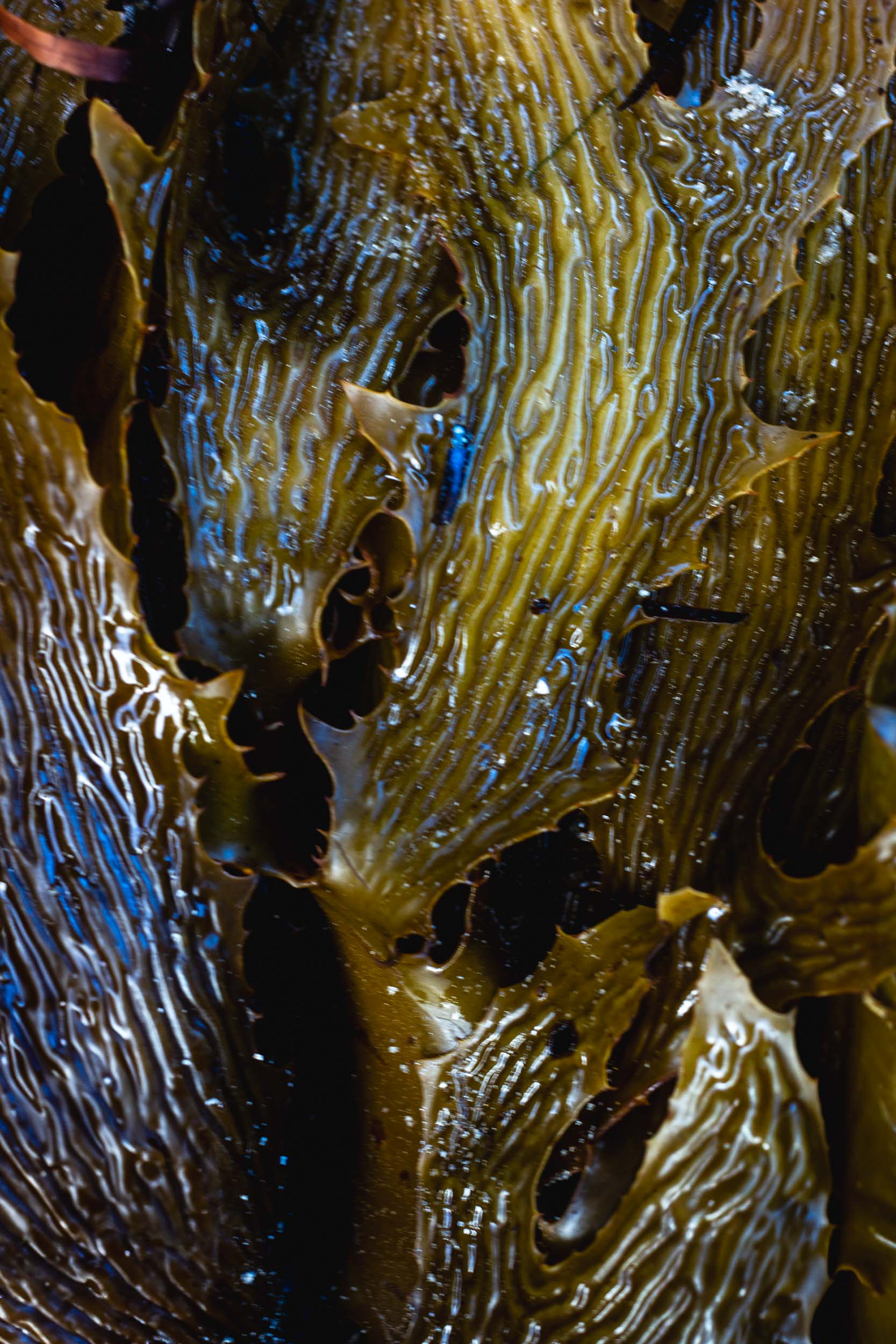
Thus Mark says that his photographs “focus on the microhabitats and topographies along shorelines and the intertidal zone” and he reference the American photographer and educator, Minor White. In contrast, my littoral zone photographs are informed by Japanese pre-modern aesthetics about the ephemeral in, and the flux of, the nature world. The similarity is deeper than the large format approach to the photographic or the coastal subject matter since Minor White was significantly influenced by Japanese aesthetics and Zen Buddhism, as Marcus Bunyan acknowledges.
These similarities indicate the possibility of dialogical approach to art photography as a mode of insight into our own concrete photographic situation; a conversational approach that shaped by the background and horizon of the historical art/photography tradition such as conceptual art which had expanded the field and concept of art in the 20th century, and the interpretations of the long shadow of that expanded field of the various mediums.
One interpretation, as argued by Peter Osborne in his Anywhere or Not at All: Philosophy of Contemporary Art , is that the pivotal moment in art history for the emergence of distinctively contemporary art was the short-lived Conceptual Art movement in the late 1960s.This held that what is of central importance in a work of art is the idea governing, organizing, and/or unifying the work.

Osborne then argues that that the critical intelligibility of contemporary art including photography is that it is post-conceptual art. Contemporary art photography as post-conceptual art means that the broad acceptance of the idea that any materials, and not just traditional ones used in the mediums of drawing, painting, sculpture and photography can be put to use in a work of art; the broad acceptance of conceptualism, understood as a theory of art claiming that a work of art is the contingent embodiment of an ‘idea’ or ‘concept’; and the broad acceptance of the idea that contemporary works of art about life in the present embody the working out of these two points. Contemporary art is also considered by Osborne to be a non-conformist, critical reflective activity.
The present culture of the digital networked image has recently undergone a shift to independent photography with its on-line formats and self-publishing, with the expanding field of photographic image-making no longer requiring the validation of art galleries and museums. However, there is also a tendency to succumb to a kind of social pressure to conformism, which usually manifests itself in the attempt to understand works of contemporary art as instances of the traditional genres of painting and sculpture and photography expanded and loosened up.
One way to step beyond the expanded field of photography is through interpreting the site/non-site distinction in the work and writings of Robert Smithson. The former (ie., the site) need not be an installation a physical location (Land art, or the original images or art work in a gallery exhibition) as it could be a virtual one (images in a blog); whilst the non-site could be the supplementary materials (text, video, book, an article on a website, documentation of the process) in another place which would act as a reflection to the site.
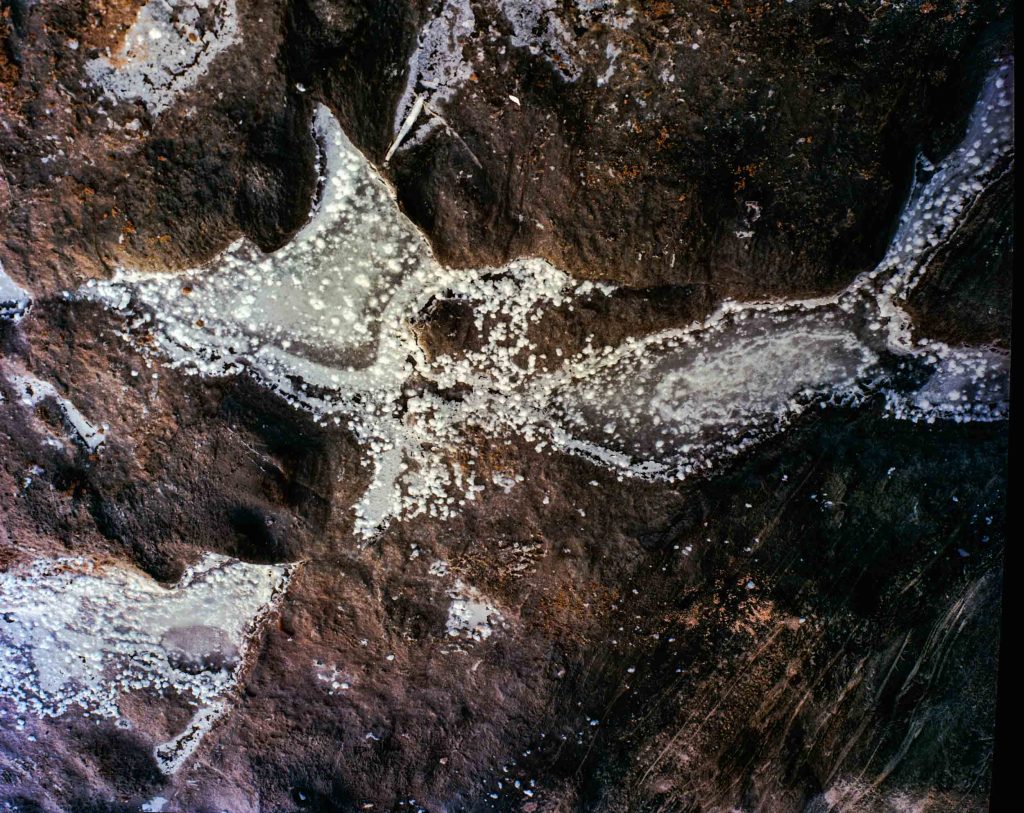
In the above examples of similarities between photographs in the littoral zone and coastal topographics the non-site a discussion of Minor White’s photography, his conception of spirit as invisible or the flows of energy in relation to pre-modern Japanese aesthetics.